


The Complete Checklist for Nidhi Company Registration: 2026 Guide
The Complete Checklist for Nidhi Company Registration: 2026 Guide A Nidhi Company is a specialized Non-Banking Financial Company (NBFC) formed with the sole objective of cultivating the habit of thrift and savings among its members. Operating on the principle of mutual benefit, these companies receive deposits from and lend exclusively to their enrolled members. Because […]
Read More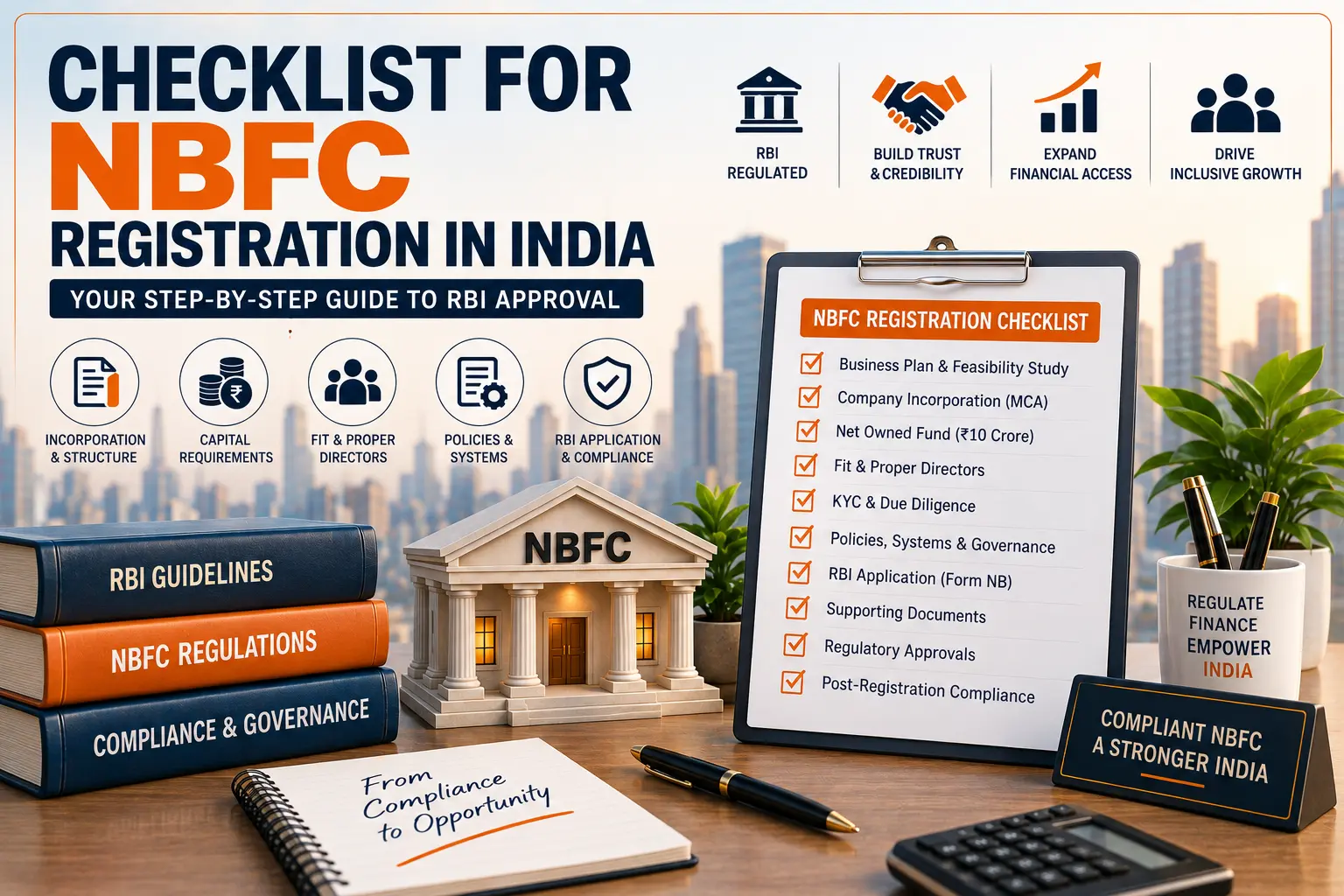
The Complete Checklist for NBFC Registration in India: 2026 Guide
Checklist for NBFC Registration in India Non-Banking Financial Companies (NBFCs) are the backbone of inclusive credit delivery in India, offering banking-like financial services without holding a traditional banking license. Under Section 45-IA of the Reserve Bank of India (RBI) Act, 1934, no entity can commence or carry on the business of a non-banking […]
Read More
Types of Alternative Investment Funds (AIF) in India
Why The Category You Choose Is The Most Important Decision SEBI splits every AIF into one of three categories at the point of registration, and that single choice determines your tax treatment, leverage limits, investor base and regulatory obligations for the life of the fund. Getting this decision wrong is expensive to reverse. […]
Read More
Category I AIF in India
Category I AIFs Why Category I Exists SEBI created Category I specifically for funds that support economically and socially desirable activity: early-stage businesses, MSMEs, infrastructure and social ventures. In exchange, these funds receive a lighter regulatory touch than Category II or III. The Sub-Types Inside Category I Venture Capital Funds: invest in early and growth-stage […]
Read More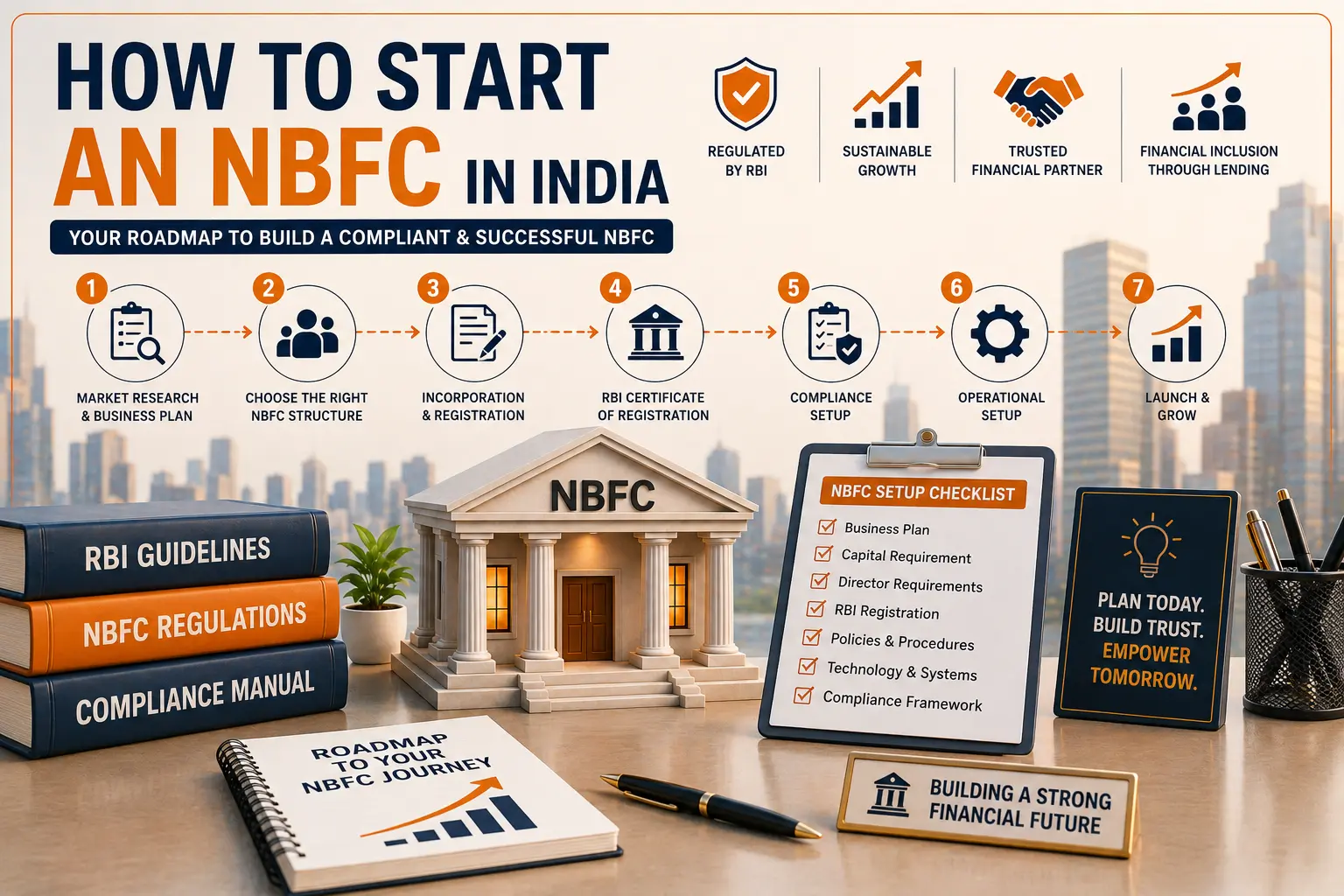
How to Start an NBFC in India: Passing the RBI’s “Fit & Proper” and Operational Scrutiny
How to Start an NBFC in India Having ₹10 Crore in the bank is no longer enough to start an NBFC. The Reserve Bank of India (RBI) actively rejects applications that lack a solid operational foundation or experienced management. Starting a Non-Banking Financial Company is less about simply filing paperwork and much more about proving […]
Read More